




Reading through the 2026 Finance Bill, one cannot escape a central question: is Morocco merely balancing its books, or reshaping social behavior through taxation?
Official data show that the government plans to collect 21.168 billion dirhams from taxes on tobacco and alcohol — three times more than the projected profits of OCP Group, the backbone of the national economy. This figure is striking: it reflects an increasing reliance on “steady” fiscal revenues, often drawn from citizens’ pockets, to keep the budget deficit at 3% of GDP, compared with 3.5% expected by the end of the current year.
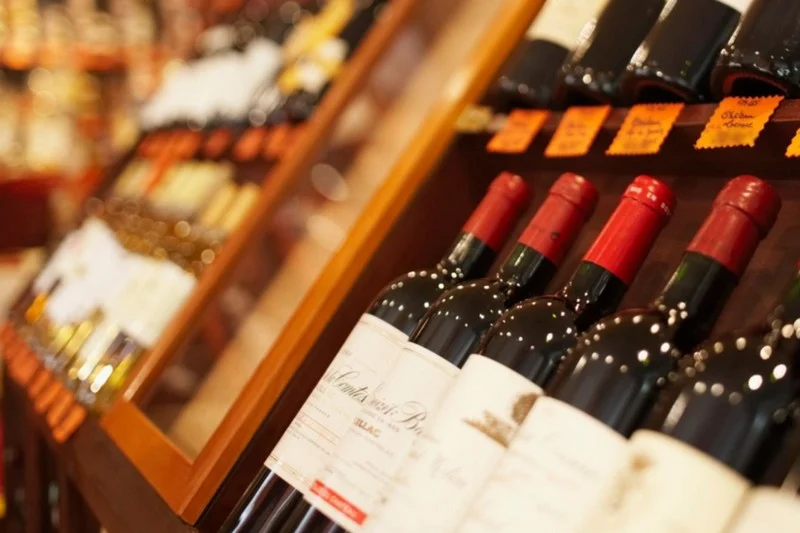
The government expects 1.487 billion dirhams from alcohol and spirits, 1.963 billion dirhams from beer, and 17.717 billion dirhams from manufactured tobacco — all significant increases from the previous fiscal year. Clearly, Morocco is betting on predictable, consumption-based taxation as a key source of stability.
Yet, a deeper contradiction arises: alcohol in Morocco is legally sold only to non-Muslim foreigners. If that rule were strictly enforced, how could such revenues exist?
How many tourists and expatriates reside in Morocco to generate billions in alcohol taxes?
And what does this paradox reveal about the complex relationship between religious legality and economic reality?
Broadly speaking, the 2026 Finance Bill projects 432.8 billion dirhams in regular revenues against 488.2 billion in total expenditures, including 366.5 billion from taxes and only 62.7 billion from non-tax sources. This overwhelming dependence on taxation exposes the fragility of Morocco’s fiscal model, heavily weighted toward consumption.
By banking on taxes from tobacco and other high-demand products, the government seeks steady revenue streams. But at what social cost?
Does taxation become a moral regulator, or simply a financial lifeline?
And how long can this model endure before it begins to erode purchasing power and deepen inequality?
Ultimately, Morocco’s 2026 Finance Bill is not just about numbers — it’s about values, contradictions, and the soul of economic policy.
Should the country prioritize fiscal efficiency over moral coherence, or can it design a model that harmonizes economic sustainability with the ethical foundations of its society?