




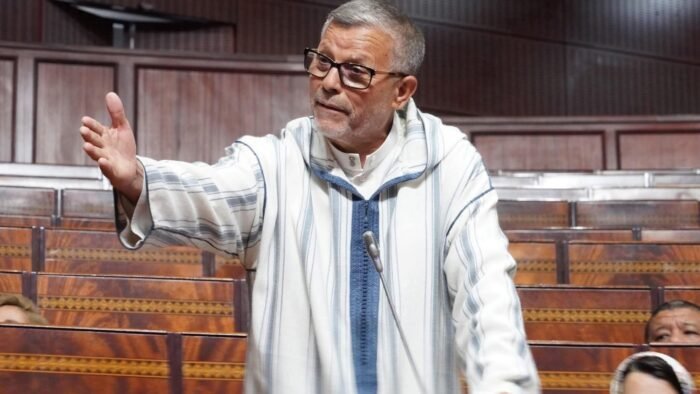
A statement by MP Mohammed Simo during a meeting of the Tourism Committee in Parliament has sparked wide controversy. By recounting that he hosted the Paraguayan ambassador in his home and served him bissara, after which the ambassador expressed support for Morocco’s sovereignty over the Sahara, the MP appeared to reduce a strategic diplomatic issue to a personal hospitality anecdote.
While the story may seem harmless, its political implications are significant. The Sahara issue is one of Morocco’s most sensitive foreign policy priorities, managed systematically by state institutions under the leadership of King Mohammed VI, and recently strengthened by UN Security Council Resolution 2797. Simo’s narrative suggests that diplomatic achievements result from private relations, whereas they are the outcome of structured, long-term state diplomacy.
This has revived debate over the quality of political discourse among some elected officials, and their awareness of the weight of their words when addressing matters of national interest. Foreign policy requires knowledge, precision, and coordinated institutional action; it cannot be treated as casual storytelling.
Critics also recalled earlier statements by Simo in which he admitted he did not understand French, raising broader questions about the training and competency of certain elected officials to carry out legislative or diplomatic responsibilities.
Thus, the issue goes beyond a single statement. It points to a deeper structural challenge in the production and selection of political elites, and to the need for representatives capable of defending national causes with seriousness and credibility.