



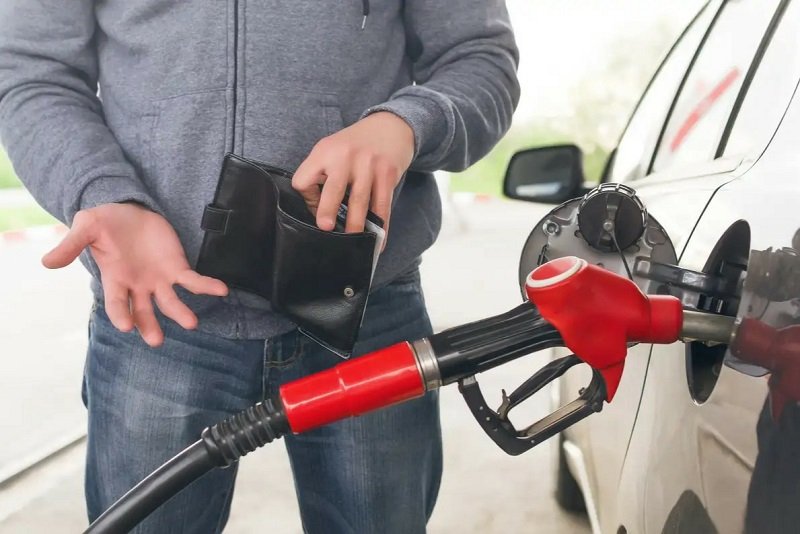
Every time fuel prices rise in Morocco, the same questions resurface: How transparent is the market? Do government statements about strategic reserves align with what consumers actually face at fuel stations? And what is the influence of political power in a sector that directly affects citizens’ purchasing power and production costs for businesses? This issue goes beyond numbers, intertwining economic, political, and strategic dimensions, exposing contradictions and market tensions that make each price increase a subject of public debate and journalistic scrutiny.
Fuel prices back at the center of public debate
Fuel prices have returned to the spotlight in Morocco, following recent increases at service stations and reports of some stations raising prices ahead of the official schedule. This has revived debates on the market’s functioning since the 2015 liberalization, which shifted price determination from the state to market mechanisms, linking domestic prices directly to international oil trends and distributor margins.
Market disorder and implicit coordination
Recent events highlight a degree of market disorder. Announcements by professional federations suggested implicit coordination among economic actors, raising questions about compliance with Law 104.12 on price freedom and competition. Consumers also reported temporary fuel suspensions prior to the implementation of new tariffs, signaling fragility in market management during price adjustments.
Market concentration and political dimension
Morocco’s fuel market is highly concentrated: three major companies — Afriquia SMDC, Vivo Energy Maroc, and TotalEnergies Marketing Maroc — control over half of fuel distribution. Afriquia, owned by Prime Minister Aziz Akhannouch through the Akwa Group, is the largest distributor, with an estimated annual turnover exceeding 30 billion MAD, giving the issue a clear political dimension.
Prices, margins, and economic stakes
Data from the Competition Council indicate that the nine leading companies generated a turnover of nearly 78 billion MAD in 2025, selling 7.3 billion liters of fuel. Average net margins were 0.43 MAD per liter for diesel and 0.61 MAD for gasoline. While influenced by international prices, these margins contribute directly to the final cost for consumers.
Strategic stock and discrepancy between rhetoric and reality
Law requires distributors to maintain reserves covering at least 60 days of national consumption. Yet, despite government assurances of secure stocks, recent price hikes raise questions about the effectiveness of this mechanism in absorbing international shocks, especially after the closure of the Samir refinery in 2015.
Between politics and economics: the question of price stability
The divergence between official discourse and price reality highlights the market’s limited ability to cushion shocks, even with sufficient strategic stock. In a context of international price volatility, stock levels remain a key indicator of Morocco’s capacity to protect its economy and citizens’ purchasing power.