





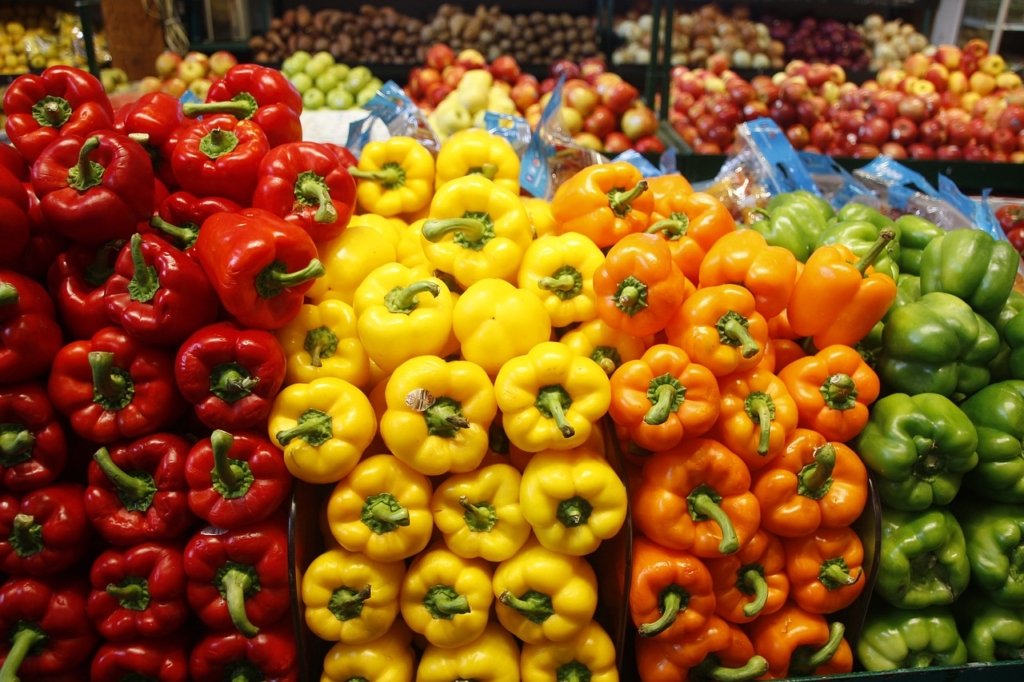
In a context of increasingly strict European oversight of cross-border food supply chains, the Rapid Alert System for Food and Feed (RASFF) of the European Commission has reopened a sensitive case involving a shipment of peppers originating from Morocco. The alert was triggered after the detection of residues of a pesticide substance classified among high-toxicity compounds, reflecting the European market’s heightened sensitivity to food safety standards, even in the absence of confirmed health incidents among consumers.
According to official notification No. 2026.2980, traces of Avermectin B1a were detected in a consignment of peppers transiting through Spain, following an internal laboratory check conducted by a private operator before the product entered the market. The recorded level, approximately 0.13 mg/kg, led European authorities to classify the case as a “serious risk” under a precautionary framework, rather than as a response to confirmed health effects.
Beyond the European restriction itself, the issue immediately shifts to a more sensitive question: what happens to such shipments once they are rejected?
In most cases, rejected consignments are returned to their country of origin—in this case Morocco, as the original source of the goods. However, this “return” does not resolve safety concerns; instead, it opens a more complex layer regarding internal handling: are these products destroyed under strict sanitary protocols? Redirected to the domestic market? Or subjected to further assessment before any final decision is made?
This is where a key public concern emerges: the lack of clear and transparent information regarding the fate of rejected shipments once they re-enter the country, compared to the European system, which systematically documents and publishes alerts in detail. This raises direct questions for the relevant Moroccan authorities, whether the Ministry of Agriculture or health control agencies: where do these shipments actually end up after their return? Are they systematically destroyed? Or reintroduced into domestic distribution channels under conditions that remain insufficiently clarified to the public?
Beyond product quality itself, what is at stake is public trust in food safety governance, particularly for goods intended for daily consumption. The gap between strict European regulatory enforcement and local market constraints raises broader questions about food governance and full traceability from production to consumption.
Between export rejection logic and domestic consumption logic, one question remains: are these rejected shipments eliminated under transparent and strict standards? Or do they find their way into the national market within a framework that is not fully disclosed to the public?
These questions go beyond a single incident and touch the core of food control systems, institutional transparency, and the responsibility of public authorities in safeguarding consumer health.