



Ayam Immo in Casablanca: When a Real Estate Fair Reveals Morocco’s Deeper Transformations
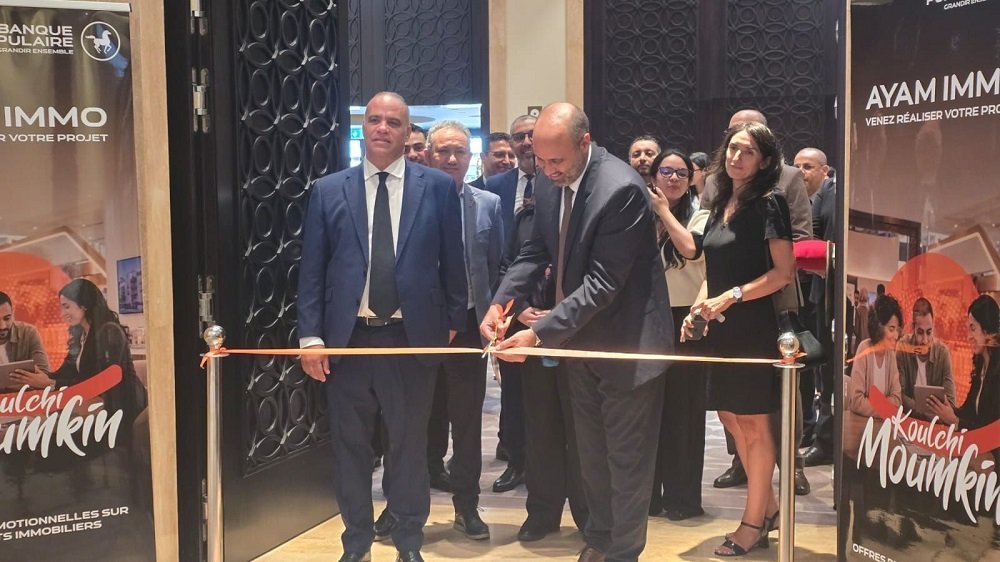
At first glance, the organization of a new real estate exhibition in Casablanca may appear to be just another promotional event on Morocco’s busy economic calendar. Yet a closer look at the latest edition of Ayam Immo, held on June 19 and 20, 2026, under the initiative of the Banque Populaire Group and bringing together key stakeholders from real estate, finance, and investment, reveals a reality that goes far beyond the marketing of housing units or property developments.
The exhibition takes place at a pivotal moment for Morocco’s real estate sector, which is undergoing profound transformations shaped by growing demand for housing, purchasing power constraints, changing investment patterns, and the increasing expectations of Moroccans living abroad who seek to maintain strong economic ties with their homeland.
Today, real estate is no longer an isolated segment of the national economy. It has become a powerful indicator of the country’s broader economic health. Through the sector, one can measure investor confidence, urban development trends, economic dynamism, and the ability of households to fulfill their aspiration of home ownership. The choice of Casablanca as the host city is therefore far from accidental. As Morocco’s economic capital, the metropolis attracts the largest share of investments while simultaneously facing mounting demographic pressures, rapid urban expansion, and growing demand for both residential and professional spaces.
In this context, the participation of Taoufik Kamil, President of the National Federation of Real Estate Developers, in the opening ceremony carries significant meaning. It reflects a growing awareness within the industry that the future of the sector depends not only on the number of housing units delivered but also on the ability to understand and respond to emerging market expectations. Moroccan buyers today seek more than a property. They increasingly value quality of life, strategic location, surrounding infrastructure, and integrated services. Investors, meanwhile, are looking for opportunities that combine profitability, sustainability, and resilience in the face of economic change.
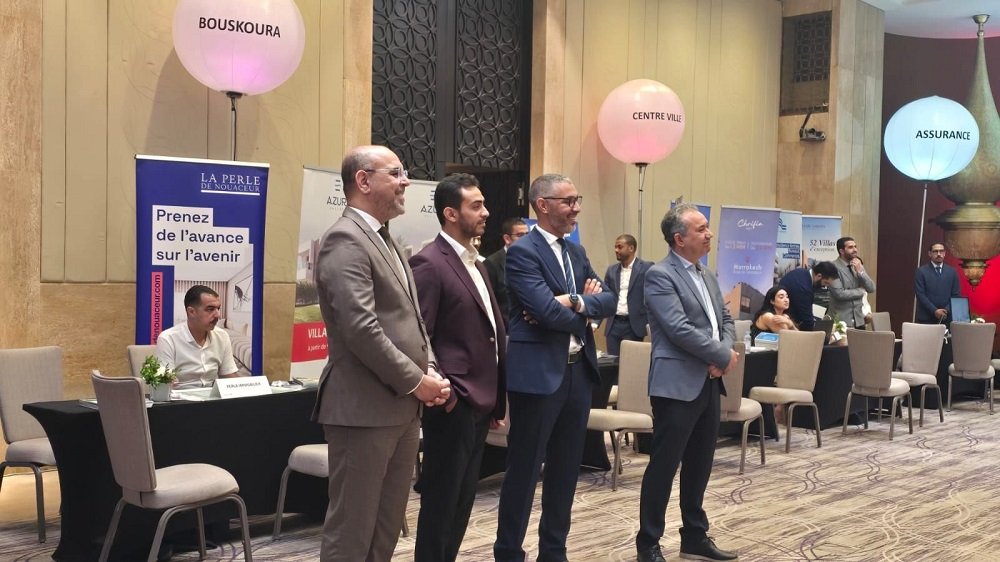
The exhibition’s focus on first-time buyers and Moroccans living abroad is equally revealing. Young Moroccan households remain among the most affected by rising property prices and financing challenges, making housing accessibility one of the country’s most pressing social and economic issues. At the same time, Moroccans abroad have become a strategic pillar of national investment. Their record-breaking remittances reflect not only financial strength but also a continued desire to maintain both emotional and economic connections with Morocco.
However, the significance of this event extends well beyond attracting prospective buyers. It also highlights deeper structural changes within the market itself. The decision to transform Ayam Immo into a nationwide tour covering several major Moroccan cities reflects the growing recognition that the country’s real estate dynamics are no longer confined to the traditional Casablanca-Rabat axis. New urban centers are emerging, driven by major infrastructure projects, regional development policies, and the gradual redistribution of economic activity across the Kingdom.
Among the most noteworthy innovations of this edition is the creation of a dedicated space for entrepreneurs and liberal professionals. At first glance, this may appear to be a simple organizational addition. In reality, it reflects a broader economic shift. Morocco has witnessed steady growth in the number of entrepreneurs, freelancers, small businesses, and independent professionals seeking modern, accessible, and strategically located workspaces integrated into urban environments.
This trend also illustrates the gradual diversification of Morocco’s real estate market. Once focused primarily on residential housing, the sector is increasingly expanding into commercial, professional, and investment-oriented property. Major Moroccan cities are competing to attract startups, digital economy players, and emerging industries, creating new demands for innovative and adaptable real estate solutions.
As a result, real estate exhibitions are no longer merely commercial showcases. They have evolved into observatories of social, economic, and urban transformation. They provide valuable insights into emerging aspirations, future market trends, and the capacity of the sector to accompany the country’s broader development trajectory.
Yet amid this momentum, a fundamental question remains unanswered: will the expansion of supply and the multiplication of projects be enough to solve the challenge of housing accessibility? Statistics, announcements, and investment programs undoubtedly demonstrate the vitality of the sector. Nevertheless, the true challenge lies in the ability of ordinary citizens to transform the dream of ownership into a tangible reality. It is at this intersection that issues of financing, public policy, urban planning, and social equity converge.
What took place in Casablanca therefore extends far beyond the boundaries of a professional exhibition. It offers a snapshot of the larger debates shaping contemporary Morocco: the future of its cities, the evolution of its middle class, the role of productive investment, and the search for a sustainable balance between economic growth and quality of life.
Ultimately, real estate is not merely about concrete, steel, or square meters. It is about stability, belonging, dignity, and the ability to build a future.
And perhaps this is the deeper question raised by Ayam Immo: can Morocco build a real estate model that makes housing both a social right and an economic opportunity? Or will the gap continue to widen between rapidly expanding cities and citizens for whom home ownership becomes increasingly difficult to attain? That is the question that lies behind the exhibition halls—and one that may well define the Morocco of tomorrow.